Why Onsite Calibration Matters
Visualize you're running a production line and all of a sudden a flow meter starts providing irregular analyses. That misreporting could shake off your whole procedure, bring about lost products or safety threats. That's where onsite calibration comes in. Instead of delivering your vital equipment off to a laboratory and waiting days or weeks, a professional comes to your center, readjusts your instruments instantly, and obtains you back up and running quickly.
Onsite calibration isn't practically convenience-- it's regarding keeping the honesty of dimensions for pressure, temperature, dampness, and various other key variables. When you avoid or delay calibration, you run the risk of wandering values, noncompliant batches, and unintended downtime. The bright side? An organized onsite visit can nip those risks in the bud.
Common Instruments for Onsite Calibration
Pressure Gauges and Transmitters
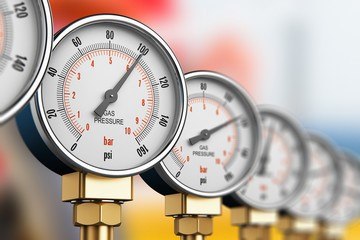
Stress instruments play a starring function in lots of sectors-- from oil and gas to food handling. A small leak or sensor drift can cause safety incidents or product spoilage. Throughout onsite calibration, a service technician makes use of a known reference to adjust the scale or transmitter till it checks out appropriately. The procedure is usually nondestructive, indicating your devices remains intact and ready for activity.
Flow Meters
Flow meters determine the volume or mass of liquid or gas passing through a system. Whether it's water therapy or chemical dosing, precision is important. Calibrating a flow meter onsite conserves you from the logistical frustration of elimination, and it mirrors real-world conditions-- temperature level variations, line pressure, and fragment content-- all in one go.
Temperature Sensors
Stoves, reactors, or freezers-- temperature level control is all over. A sensing unit that's even a degree off can impact top quality. Onsite calibration solutions consist of ice-bath checks and dry-block calibrators to make sure your thermocouples and RTDs are unfailing.
Moisture Analyzers and Hardness Testers
From grains in a silo to steel solidity in a workshop, dampness and firmness testers usually get neglected till they fail. Onsite calibration keeps them trusted so your item specs stay tight. Technicians change the device against traceable standards, guaranteeing each wetness or hardness measurement hits the mark.
Torque Wrenches and Other Mechanical Tools
Tightening screws to the best torque can prevent leakages or mechanical failures. Setting and validating torque wrenches onsite means you do not need to guess or waste time sending tools out for service.
The Onsite Calibration Process
1. Scheduling and Preparation
First, you and the company agree on onsite calibration a time that minimizes impact. They'll inquire about your most vital instruments-- flow meters, torque wrenches, sensors-- and prepare the best reference standards.
2. Onsite Setup
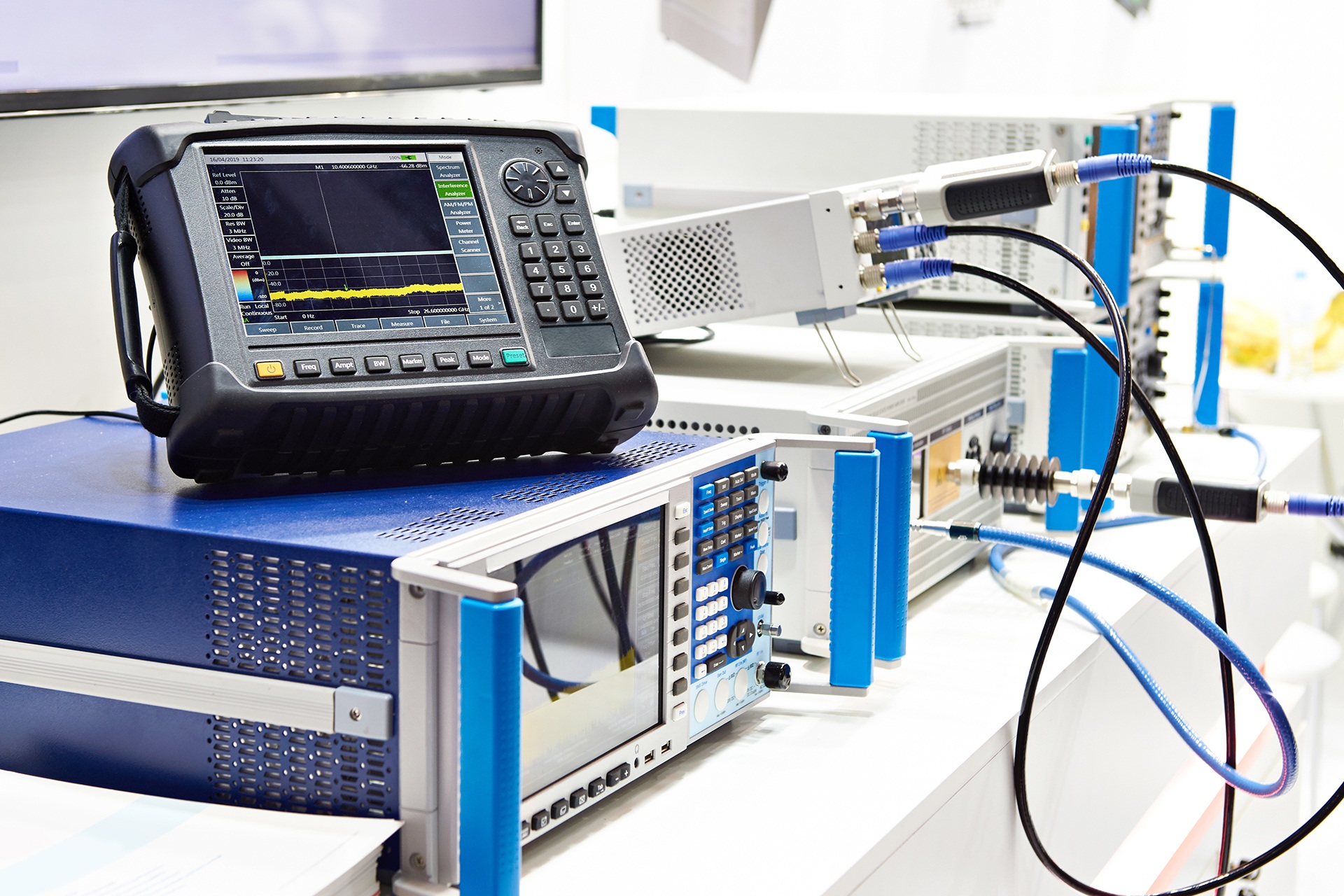
Service technicians bring portable calibration benches or handheld calibrators. They might utilize a deadweight tester for stress determines or a loophole calibrator for transmitters. Whatever is deducible to nationwide or international requirements.
3. Adjusting Step by Step
Each tool goes through a list of setpoints. For example, a flow meter might be examined at low, medium, and high flow prices. The service technician records the readings, changes the tool, then reconsiders till it's within resistance. This specific approach makes sure uniformity torque screwdriver calibration across your production line.
4. Documents and Certification
Once the work is done, you receive a calibration certification listing pre- and post-adjustment analyses, unpredictabilities, and traceability information. This report is your proof of compliance for audits or high quality administration systems.
Advantages of Onsite Calibration
- Lessened downtime by staying clear of shipping delays Real-world problems make certain accurate readings under regular operating temperatures and stress Maintains compliance with governing bodies and quality requirements Lowers threat of product denies or security cases Extends life expectancy of instruments by finding drift early
Getting Rid Of Calibration Challenges
Even with onsite services, you may deal with difficulties like congested commercial areas or limited access to particular equipment. Communication is key: walk the technician via your manufacturing format and any kind of security requirements. In some cases, tool calibration may call for partial shutdowns, so planning around manufacturing timetables is critical.
A Real-World Calibration Story
Last summertime, a craft brewery discovered its flow meter was under-reporting by 5%. Over a weekend break, they reserved an onsite calibration see. The service technician got here with a portable prover, rectified the meter under normal line pressure, and verified the result versus the brewery's batching software program. By Monday early morning, developing returned to without missing out on a beat, conserving them thousands in lost jumps and malt.
Trick Takeaways
Onsite calibration provides a streamlined means to keep important equipment-- pressure assesses, circulation meters, temperature level sensors, dampness analyzers, solidity testers, and torque wrenches-- specifically tuned. By choosing this solution, you reduced downtime, preserve high quality, and guarantee safety without the inconvenience of shipping tools offsite.
Additional Resources
To learn more regarding organizing onsite calibration at your center, connect to EML Calibration as a trusted resource for skilled service and quick turnaround.
Name: EML Calibration
Address: 998 Elm Hill Pike, Nashville, TN 37210, United States
Phone: (888) 846-4614
Website: https://www.emlcalibration.com/